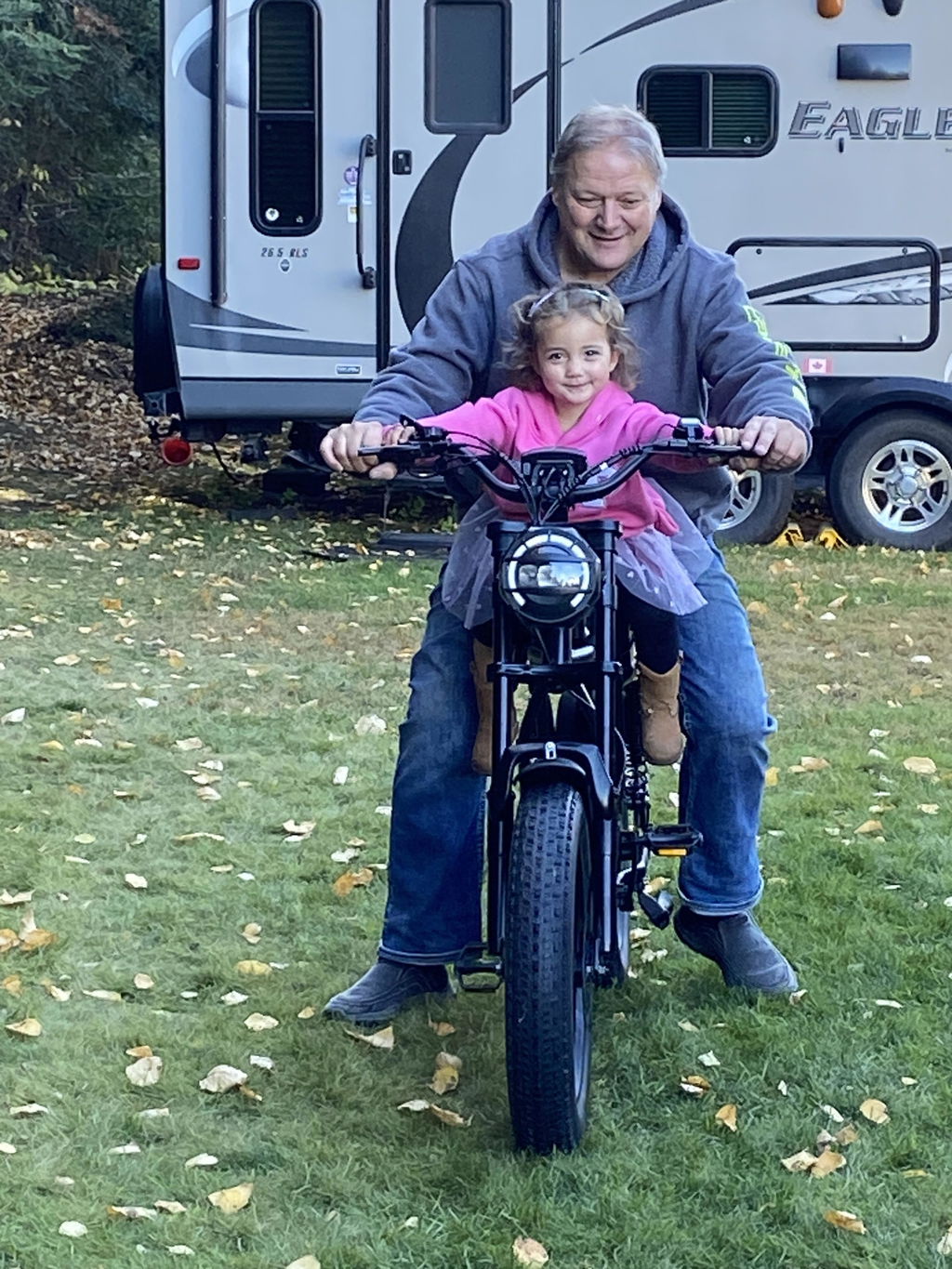
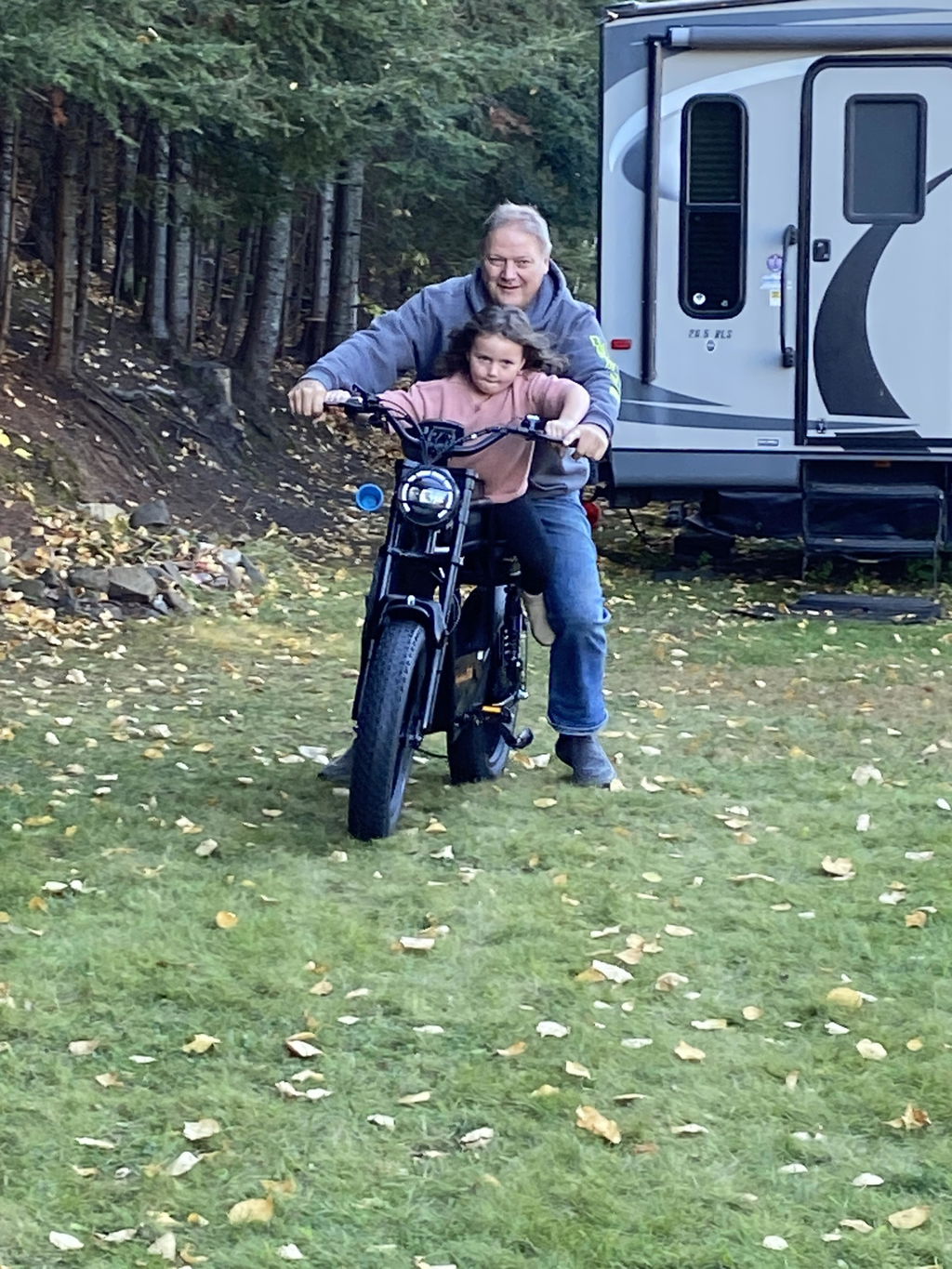
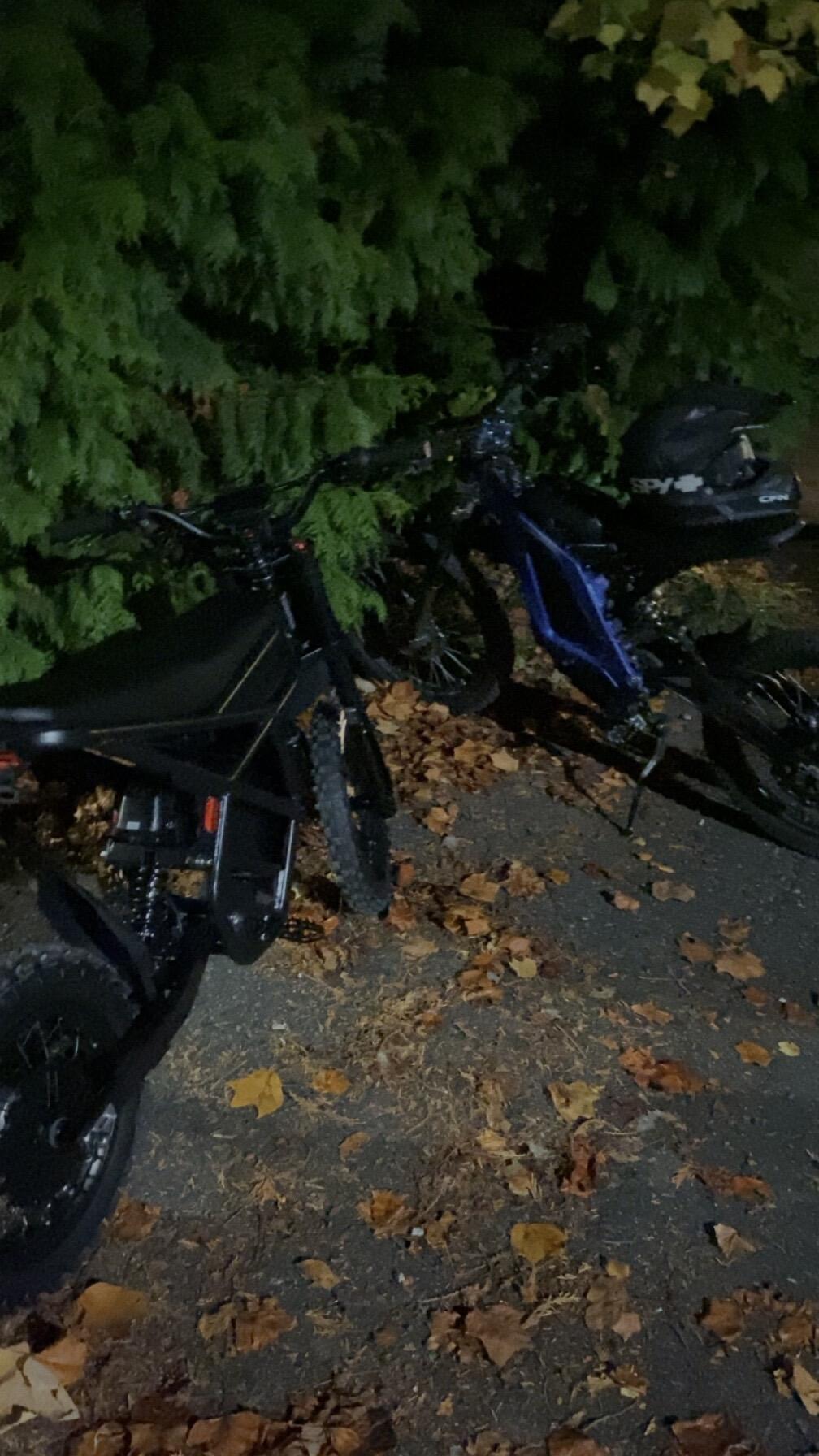
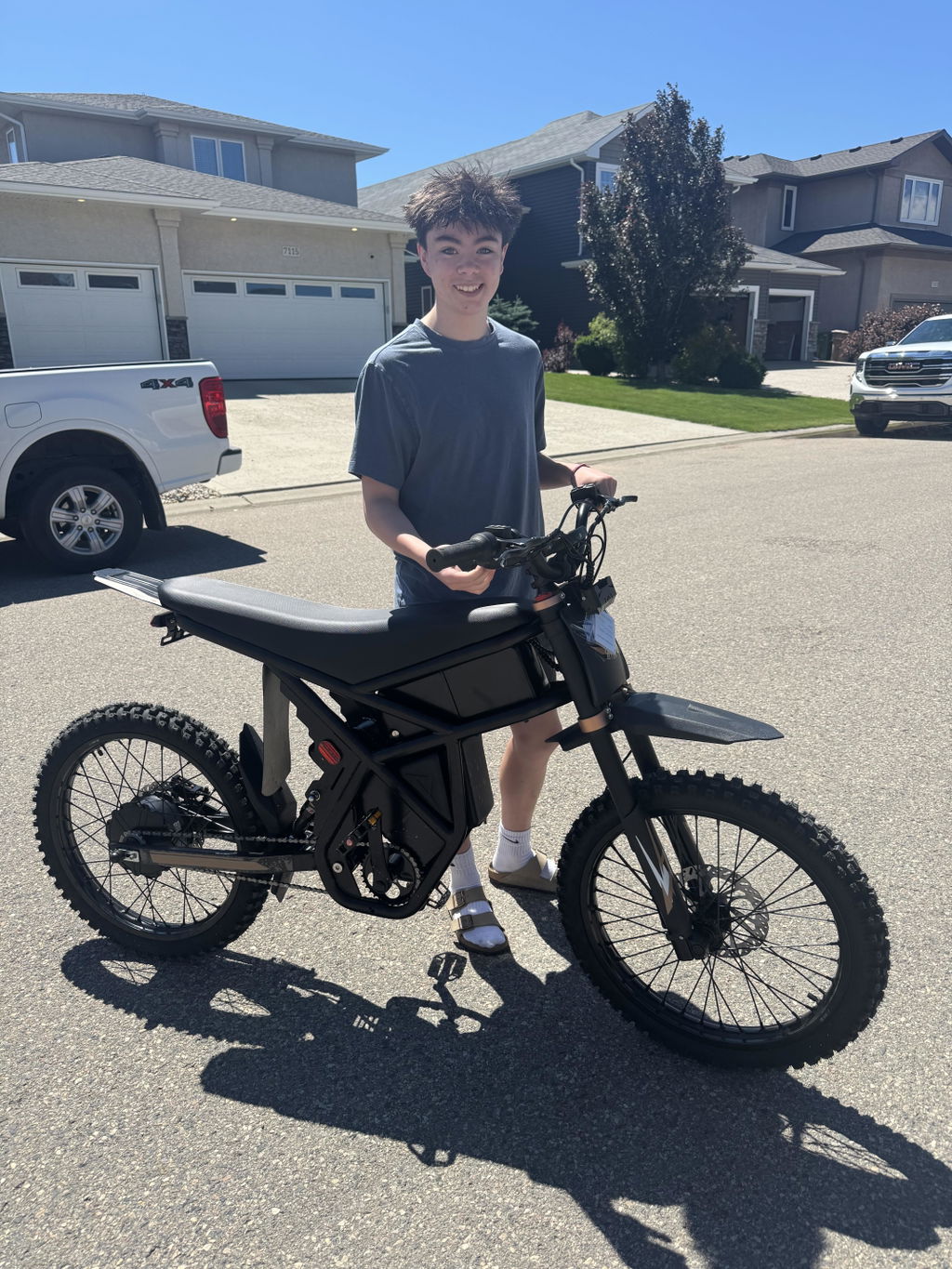
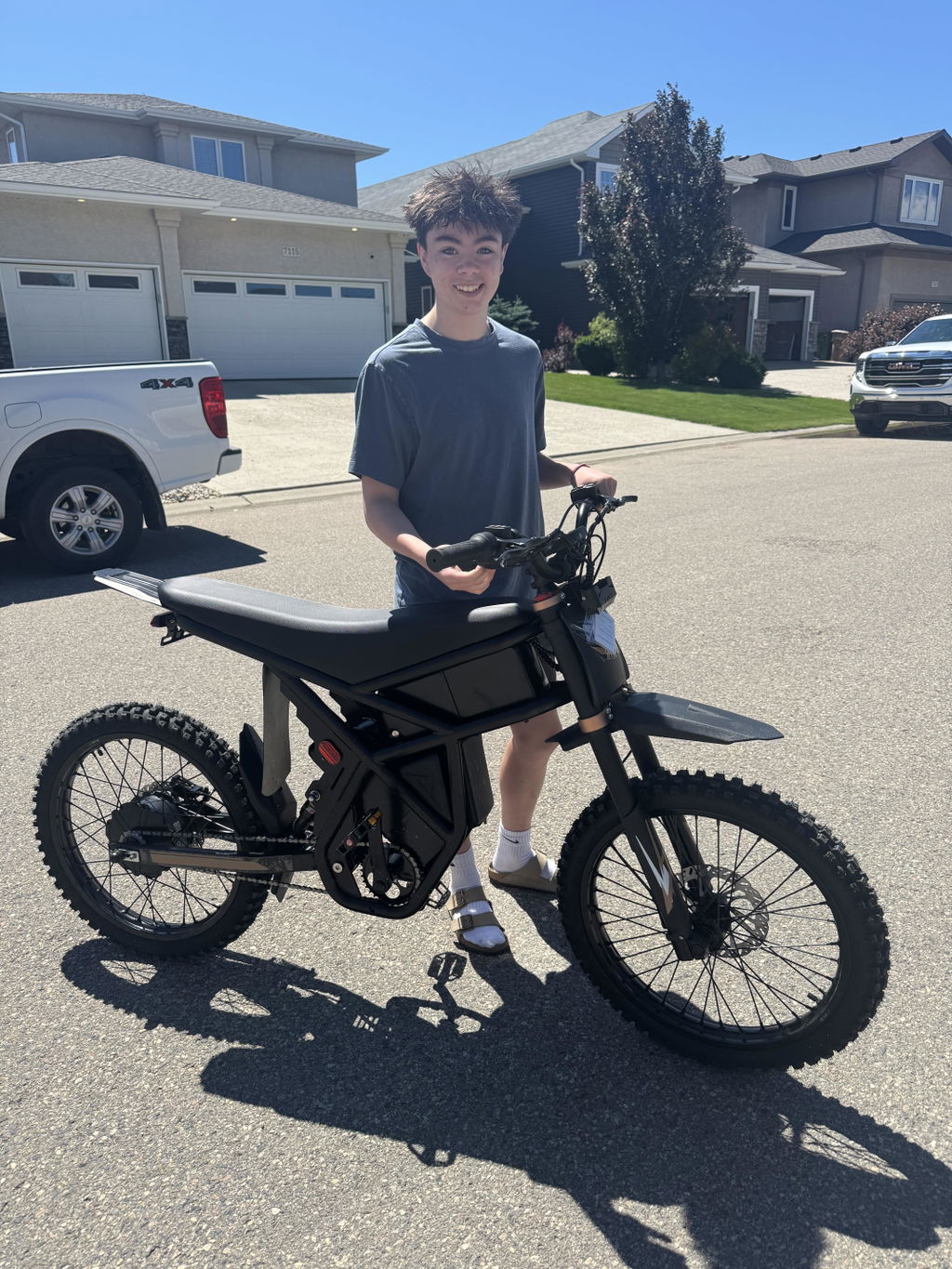
Choosing between a mid-drive vs hub motor electric dirt bike depends on how and where you ride. Mid-drive motors use the bike’s chain and gears to deliver power, while hub motors drive the wheel directly. Both systems have advantages, but a hub motor can be a practical choice if you want direct power delivery and less motor-related wear on the chain and gears. Riding Times models such as the GT73 Pro and GT54 Pro show how hub-motor designs can support off-road riding.
In this guide, we compare both motor types, explain their main differences, and help you decide which setup best suits your riding style.
What Is the Difference Between a Mid-Drive and Hub Motor?
The main difference is where the motor sits and how it sends power to the wheel.
- Mid-drive motor is usually positioned near the pedals, in the centre of the bike. It transfers power through the chain and gears to the rear wheel.
- Hub motor sits inside the centre of the front or rear wheel. It drives that wheel directly, without relying on the bike’s chain and gears to transfer motor power.
Both systems can provide strong acceleration and enjoyable off-road performance. However, their designs affect climbing, handling, maintenance, and efficiency in different ways. Note that not every electric dirt bike has a conventional multi-speed drivetrain. Many hub-motor models use a single-speed setup, so the benefits of changing gears depend on the specific bike’s design.

Mid-Drive Motors: Power Through the Gears
A mid-drive motor transfers power through the bike’s drivetrain. If the bike has multiple gears, the rider can use them to adapt the gear ratio to the terrain. However, some electric dirt bikes use a single-speed drivetrain, so this advantage does not apply to every model.
Advantages of Mid-Drive Motors
- Useful for climbing hills. When you approach a steep climb, selecting a lower gear helps the motor work at a suitable speed while delivering more torque to the rear wheel. This can be helpful on steep trails and technical routes.
- Balanced weight distribution. The motor sits near the centre of the bike rather than inside a wheel. This can help the bike feel balanced, especially when changing direction or riding over uneven ground.
- Flexible performance. Because the motor works with the gears, a mid-drive system can adapt well to changing speeds and gradients when used correctly.
Trade-Offs of Mid-Drive Motors
Mid-drive systems put additional force on the chain, sprockets, and other drivetrain components. These parts may wear faster if you regularly ride with high motor assistance or use the gears incorrectly. The system can also be more complex, which may affect the purchase price and the cost of repairs. For riders who often tackle steep climbs and technical trails, these trade-offs may be worthwhile.
Hub Motors: Direct Power to the Wheel
A hub motor is built into the centre of a wheel. Instead of sending motor power through the chain, it drives the wheel directly. This design is common on electric bikes because it offers a relatively simple way to deliver power.
Advantages of Hub Motors
- Simple power delivery. The motor drives the wheel directly, so its power does not pass through the chain and cassette. This reduces the motor-related load on those drivetrain components.
- Less drivetrain wear from the motor. Because the motor does not drive the wheel through the chain, motor assistance does not add the same extra load to the chain and sprockets as a mid-drive system. The chain still needs regular cleaning and maintenance if the bike has a chain-driven pedal system.
- Practical everyday riding. Hub motors can be a good option for riders who want straightforward power for everyday trips, open trails, and recreational off-road riding. The actual experience depends on the motor, battery, tyres, suspension, and overall bike design.
Trade-Offs of Hub Motors
A hub motor’s gearing is fixed, so it cannot use the bike’s external gears to adapt its torque and RPM. On long, steep climbs, this can make motor design and operating conditions particularly important. The motor also adds weight to the wheel. This can affect how the suspension responds to bumps, rocks, and uneven surfaces. For many riders, however, a well-designed hub motor offers a practical balance of performance, simplicity, and value.
Why Choose a Hub Motor for an Electric Dirt Bike?
A hub motor delivers power directly to the wheel, so the motor does not put the same additional load on the chain and gears as a mid-drive system. This can help reduce drivetrain wear and simplify maintenance. Hub motors also offer a straightforward design that appeals to riders who want a practical electric dirt bike for trails and recreational riding. The actual performance depends on the motor, battery, controller, suspension, and overall bike design, so compare the complete specifications rather than motor type alone.
Riding Times hub-motor models are worth comparing if you prioritise direct wheel power, a simpler drivetrain, and value for money.
Which Motor Is Better for Hill Climbing?
Hill-climbing performance depends on more than motor type alone. Torque, motor power, gearing, battery output, tyres, rider weight, and the gradient all play a role.
- A mid-drive motor has an advantage when its gears allow the rider to select the right ratio for a climb. This can be especially useful on steep or technical trails where speed changes frequently.
- A high-torque hub motor can also climb hills effectively. Its performance depends on the motor’s design and whether it can deliver enough power without overheating under sustained load.
If you mainly ride steep mountain paths, a mid-drive system may suit your needs. If your routes include flatter trails, moderate slopes, and mixed everyday riding, a capable hub motor may be more than sufficient. Always check the specifications of the individual bike rather than choosing based on motor type alone.
Mid-Drive vs Hub Motor Electric Dirt Bike: Efficiency and Battery Range
Battery range is another important factor, but there is no universal winner between mid-drive and hub motors.
- A mid-drive motor can use the bike’s gears to operate more efficiently under different riding conditions. Selecting the right gear can make a difference when climbing or riding at varying speeds.
- A hub motor operates independently of the bike’s external gearing. Its efficiency depends on factors such as motor design, load, speed, and temperature.
Your riding habits also matter. Frequent acceleration, steep climbs, high speeds, low tyre pressure, and a heavier load can all increase energy consumption. For a more realistic comparison, look at the battery capacity and the manufacturer’s range estimates for each model. Remember that advertised range may differ from what you achieve on real trails.
A 2018 study by Arango, Godoy, and Lopez compared mid-drive and hub-drive motors in conventional electric bikes on steep roads. Under the tested conditions, the hub-drive configuration consumed 18% more energy than the mid-drive configuration. However, the study examined conventional e-bikes, not necessarily high-power electric dirt bikes. Its findings therefore do not mean that mid-drive motors are always more efficient than hub motors in every riding situation. Read the research study.
Handling and Comfort on Rough Terrain
The position of the motor affects how an electric dirt bike feels when you ride it.
- Mid-drive motors place more of the motor’s weight near the center of the frame. This can help the bike feel balanced when cornering or moving over obstacles.
- Hub motors add weight directly to the wheel. The extra wheel weight can affect suspension response, particularly on rough terrain with frequent bumps.
However, motor placement is only one part of the overall design. Suspension quality, tires size, frame geometry, and the bike’s total weight also influence comfort and control. If possible, test ride the bike on terrain similar to the routes you plan to use. This will give you a better idea of how it handles than specifications alone.
Maintenance and Long-Term Costs
The two motor types have different maintenance needs.
| Feature | Mid-drive motor | Hub motor |
|---|---|---|
| Power delivery | Through the chain and gears | Directly to the wheel |
| Chain and sprocket load | Higher under motor assistance |
Motor power does not pass through the chain |
| Gear use | Motor works with the bike’s gears | Motor does not use external bike gears |
| Wheel weight | Motor weight is near the centre | Motor adds weight to the wheel |
| Maintenance | Drivetrain needs regular attention | Drivetrain still needs maintenance, but avoids motor-related chain load |
| Best suited to | Riders who value gearing for varied and steep terrain | Riders who value straightforward power delivery |
Neither design is maintenance-free. Both require appropriate care of the brakes, tyres, battery, electrical connections, and other components. The cost of ownership also depends on parts availability, warranty coverage, repair support, and how often you ride. Check these details before buying.
How to Choose the Right Motor for Your Riding Style
The best motor is the one that matches your routes, experience, and budget.
Choose a mid-drive motor if you:
- Regularly ride steep hills and technical trails.
- Want to use the bike’s gears to adapt to changing terrain.
- Prefer a motor positioned near the centre of the frame.
- Are comfortable with more attention to drivetrain maintenance.
Consider a hub motor if you:
- Prefer a straightforward motor design.
- Ride a mix of everyday routes and recreational trails.
- Want to reduce the extra drivetrain load caused by motor power.
- Are looking for a practical balance of performance and cost.
These are general guidelines rather than fixed rules. A well-designed hub motor can perform better than a poorly matched mid-drive system, and the reverse is also true.
Explore Riding Times Electric Bikes
At Riding Times, choosing the right electric bike starts with understanding how and where you plan to ride. Motor performance matters, but so do battery capacity, suspension, braking, tyres, and the overall build. Before choosing a model, compare its specifications with your intended use. Consider the terrain, the distance you want to cover, and the level of maintenance you are comfortable with.
Explore the available models on the Riding Times European website to find an option that fits your needs.
Why Riding Times Hub Motors Are the Smart Choice for Most Riders
While mid-drive systems can offer advantages in demanding hill climbs and technical riding, Riding Times hub-motor electric dirt bikes deliver a compelling combination of power, performance, and practical design for riders looking for an exciting off-road experience.
- Powerful performance: The GT73 Pro and GT54 Pro feature 3,000 W peak motor ratings and advertised torque of 338 Nm.
- Range for longer rides: The GT73 Pro offers an advertised maximum range of up to 250 km, while the GT54 Pro is rated for up to 100 km.
- A practical drivetrain design: Hub motors deliver power directly to the wheel, keeping motor power separate from the chain.
- Options for different riding needs: Compare the GT73 Pro’s dual-battery configuration with the GT54 Pro’s 1,500 Wh battery to find the model that best suits your riding plans.
For riders who value powerful performance and the straightforward design of a hub motor, Riding Times offers electric dirt bikes worth considering. Explore our electric dirt bike range to compare models and find the right fit for your riding style.
Frequently Asked Questions:
1. Which motor is better for climbing hills?
Mid-drive motors can benefit from lower gears when climbing steep hills. However, a hub motor with suitable torque and power can also climb effectively. The individual bike’s specifications and the type of climb matter.
2. Does a hub motor require less maintenance?
A hub motor reduces the additional chain and sprocket load caused by motor power. However, the bike still needs regular maintenance, including checks of its tyres, brakes, chain, battery, and electrical components.
3. Can a hub motor handle off-road riding?
Yes, provided the bike is designed for the terrain. Check the motor’s performance, tyre grip, suspension, brakes, and overall durability before riding on rough trails.
4. What should I compare before buying an electric dirt bike?
Look at motor specifications, battery capacity, expected range, suspension, brakes, tyre design, weight, warranty, and local repair support. Choose a bike based on the conditions you actually ride in rather than a single specification.